Understanding Machine Shops and Their Importance
Machine shops play a pivotal role in modern manufacturing and engineering, serving as hubs where raw materials are transformed into precise components and products. With their ability to cater to a wide range of industries, machine shops are essential for businesses that require high-quality machining services. Whether small or large, every project demands meticulous attention to detail, precision, and adherence to the highest standards. For over 60 years, Lowrance Machine has exemplified these qualities, providing exceptional service and expertise as a leading machine shop that emphasizes the importance of strong partnerships.
What is a Machine Shop?
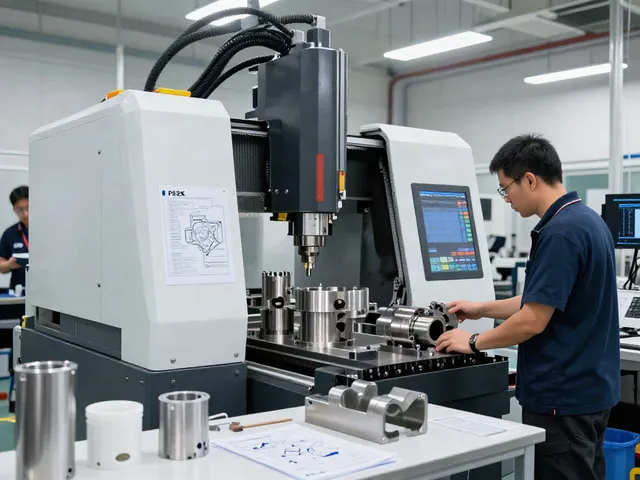
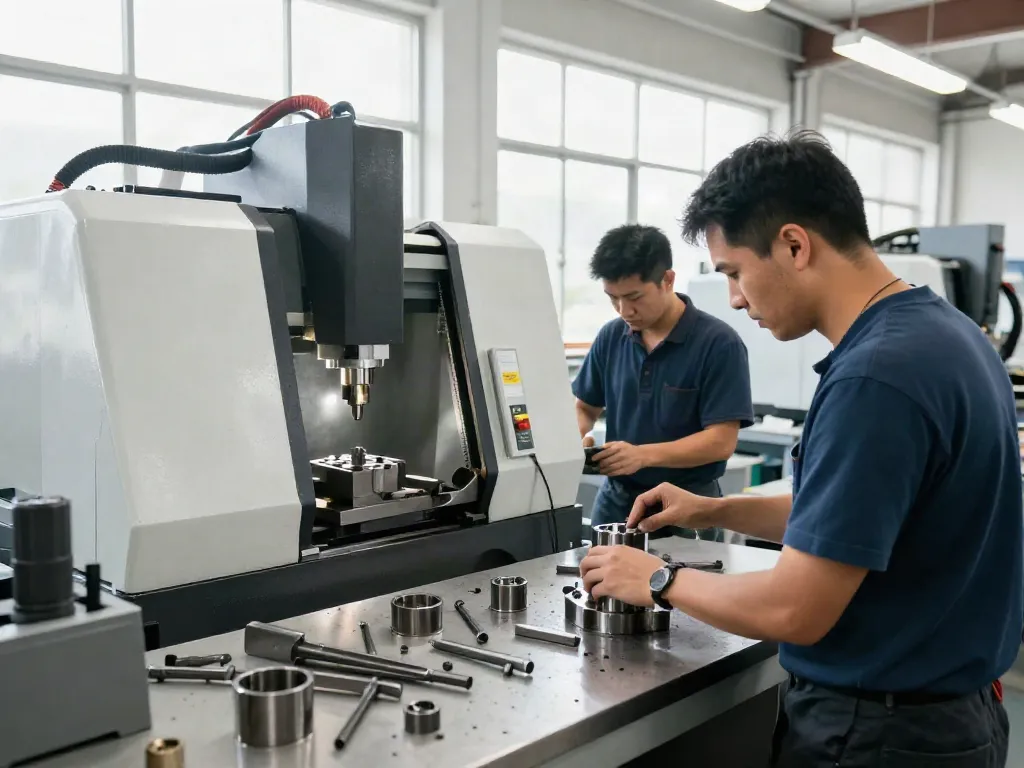
A machine shop is a facility where skilled machinists use tools and machinery to create, modify, and repair parts from various materials. These shops specialize in both manual and CNC (computer numerical control) machining, allowing for a high degree of precision in manufacturing. The core of a machine shop is its machinery, which includes lathes, milling machines, and grinders, each designed for specific tasks in the machining process.
Core Services Offered by Machine Shops
Machine shops offer an array of services that cater to the unique needs of their clients. Some of the core services include:
- CNC Machining: Utilizes computer-controlled machines for precision and replicability.
- Manual Machining: Involves traditional machining techniques requiring skilled labor.
- Custom Molds: Specialized molds for producing specific components tailored to client specifications.
- Industrial Repair: Maintenance and repair services for machinery and equipment.
- Grinding and Hardness Testing: Ensures parts meet required specifications for finish and hardness.
Industries That Rely on Machine Shops
Machine shops serve a wide variety of industries, including but not limited to:
- Aerospace
- Automotive
- Medical Devices
- Electronics
- Energy
Each of these sectors depends on the precision and reliability of machine shops to produce parts that meet stringent quality control measures and specifications.
Key Benefits of Choosing a Machine Shop
Quality Assurance and Precision Engineering
Quality is a primary concern for any manufacturing process. Reputable machine shops implement strict quality assurance protocols to ensure that every part produced meets the required specifications. Lowrance Machine, for example, is ISO 9001 quality certified, which signifies a commitment to quality management systems and continuous improvement. This dedication to quality assurance not only minimizes errors but also strengthens customer trust in the products delivered.
Fast Turnaround Times for Projects
In today's fast-paced market, efficiency is paramount. Established machine shops often have streamlined processes and advanced machinery, allowing them to complete projects swiftly. Lowrance Machine prides itself on its quick turnaround time, enabling clients to meet tight deadlines without compromising on quality.
Customized Solutions Tailored to Client Needs
Every project is unique, requiring specific considerations regarding materials, design, and functionality. Machine shops excel in providing customized solutions that cater to the individual needs of clients. This flexibility is crucial for industries like aerospace and automotive, where tolerances are tight and specifications are critical. Lowrance Machine's approach emphasizes understanding each client's requirements thoroughly before developing tailored solutions.
Challenges Faced by Machine Shops
Technological Advancements and Investment
As technology evolves, machine shops must continually invest in new equipment and training for their staff to stay competitive. The integration of advanced machinery like CNC machines and robotics can be cost-prohibitive, especially for smaller shops. Yet, embracing these advancements is essential for improving efficiency and meeting the growing demands of clients.
Skilled Labor Shortages in the Industry
The machining industry is currently facing a significant shortage of skilled labor. As experienced machinists retire, the incoming workforce lacks sufficient training and experience. This skills gap poses a challenge for machine shops striving to maintain high-quality standards. Consequently, machine shop owners must invest in training programs to develop the next generation of skilled professionals.
Balancing Small-Scale Service with Large-Scale Demands
While many machine shops pride themselves on personalized service, they often struggle to meet the demands of larger-scale projects. This is where partnerships and collaborations with other manufacturers can prove beneficial. By leveraging these relationships, machine shops can enhance their capabilities and offer comprehensive solutions to clients without sacrificing the quality and service they’re known for.
Future Trends in Machine Shops for 2026
Embracing Automation and Robotics
The future of manufacturing is leaning heavily toward automation. Machine shops are increasingly integrating robotics for tasks ranging from material handling to machining operations. This transition not only increases efficiency but also reduces the likelihood of human error, leading to more consistent outputs.
Sustainable Practices in Manufacturing
As environmental concerns become more pressing, machine shops are expected to adopt sustainable practices. This includes using eco-friendly materials, reducing waste, and optimizing energy consumption during production. Implementing such practices can enhance a machine shop's reputation and appeal to environmentally conscious clients.
Innovative Technologies Enhancing Efficiency
Emerging technologies such as additive manufacturing (3D printing) and advanced simulation software are transforming how machine shops operate. These innovations can streamline prototyping and reduce production lead times, ultimately increasing a shop's competitiveness in the market.
Making the Right Choice for Your Project
Assessing Machine Shop Capabilities
When selecting a machine shop, it's essential to assess their capabilities critically. Factors to consider include the range of services offered, technology and equipment used, and the shop's experience in your industry. A shop that has experience with similar projects will be better equipped to handle your specific needs.
How to Compare Various Machine Shops
Comparing machine shops involves looking at various factors such as quality certifications, client reviews, and turnaround times. Networking with industry peers and seeking referrals can also provide valuable insights into a shop's reputation and reliability.
Questions to Ask Before Committing
Before entering into an agreement with a machine shop, consider asking the following questions:
- What quality assurance processes do you have in place?
- Can you provide samples of similar work you've completed?
- What is your typical turnaround time for projects?
- How do you handle project changes or issues that arise?
What Are the Advantages of Industrial Machine Shops?
Industrial machine shops offer several advantages, including specialized expertise, access to advanced technology, and the ability to scale production to meet demand. By leveraging these benefits, businesses can enhance their own operations and product offerings.
How to Determine the Cost of Machine Shop Services?
The cost of machine shop services can vary based on several factors, including project complexity, materials used, and required turnaround time. It's essential to obtain detailed quotes from several shops and understand the breakdown of costs to make an informed decision.
What Are the Key Certifications for a Machine Shop?
Certifications such as ISO 9001 can indicate a machine shop's commitment to quality management. Other industry-specific certifications may also be relevant, depending on the precise needs of your project. Researching a shop's certifications can provide assurance of their capabilities and adherence to industry standards.