Understanding Aerospace CNC Machining
Aerospace CNC machining plays a critical role in the manufacturing of complex components used in various aerospace applications. As industries continue to push the boundaries of innovation and efficiency, the demand for precision-engineered parts has surged. This article explores the fundamentals of aerospace CNC machining, key materials involved, challenges faced in production, and emerging trends shaping the future of the industry. For those exploring options, understanding the role of leading aerospace cnc parts manufacturers can provide comprehensive insights into the market landscape.
What is Aerospace CNC Machining?
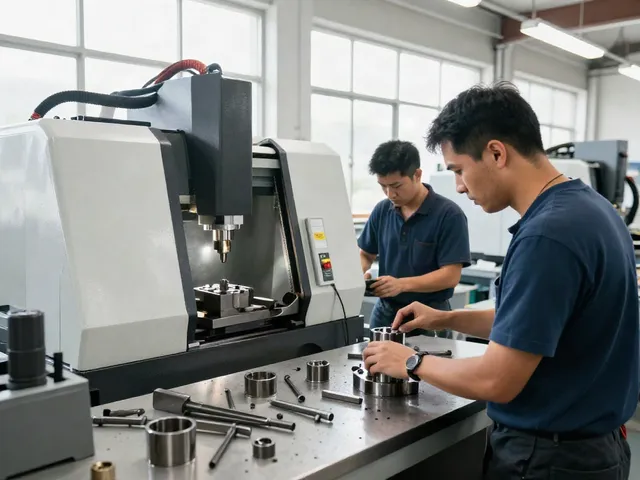
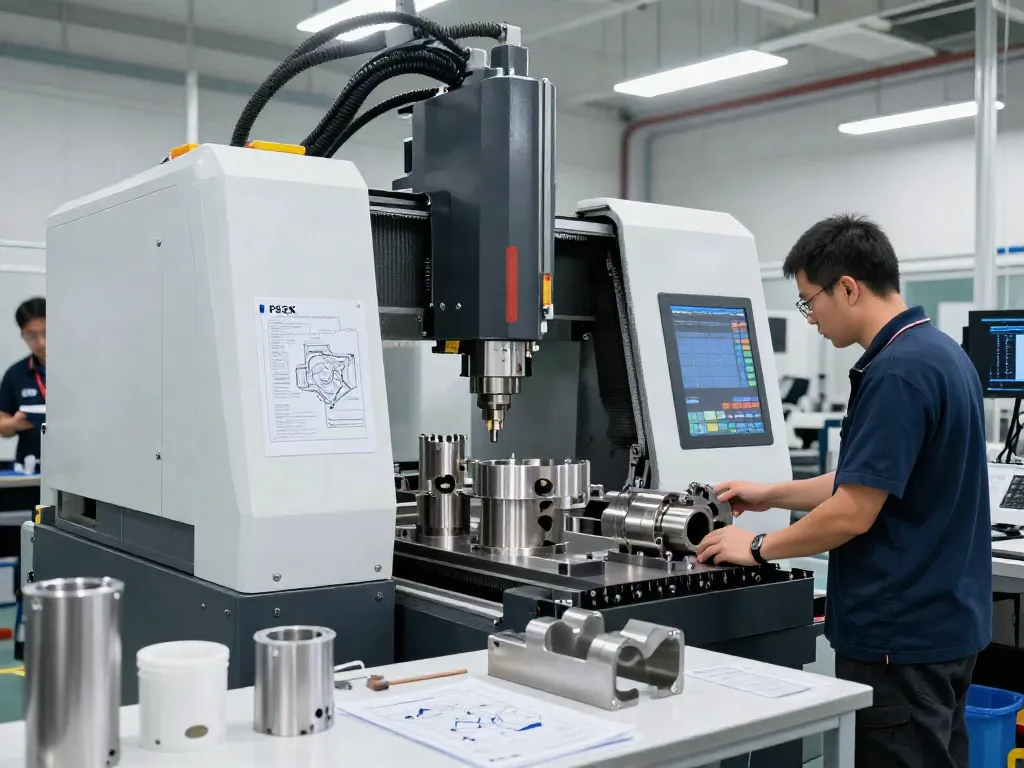
Aerospace CNC machining refers to the process of using computer numerical control machines to produce parts for the aerospace industry with high precision. This method allows for the automated production of complex geometries and intricate designs that are both lightweight and durable, making it ideal for various aerospace components such as engine parts, structural frames, and avionics housings.
Key Advantages of CNC Machining in Aerospace
- Precision: CNC machines are capable of producing parts with tolerances as tight as ±0.001 inches, which is crucial for safety-critical aerospace applications.
- Repeatability: Once programmed, CNC machines can produce identical parts consistently, minimizing variations and ensuring high quality.
- Flexibility: CNC machining can accommodate various materials and complex designs, allowing engineers to innovate without significant setup changes.
- Scalability: From rapid prototyping to mass production, CNC machining can efficiently scale operations to meet varying order sizes.
Types of Aerospace Parts Manufactured
Aerospace CNC machining is employed to manufacture a wide range of parts, including:
- Engine components (e.g., housings, blades)
- Structural components (e.g., frames, supports)
- Interior fittings (e.g., seat mounts, paneling)
- Landing gear parts
- Fuel system components
Materials Used in Aerospace CNC Machining
Common Metals for Aerospace Components
The aerospace industry predominantly utilizes metals due to their strength and durability. Some of the most commonly used metals include:
- Aluminum: Known for its lightweight nature and excellent strength-to-weight ratio, aluminum is widely used in airframes and other components.
- Titanium: Renowned for its high strength and resistance to extreme temperatures, titanium is often used in critical components, such as engine parts.
- Stainless Steel: Valued for its corrosion resistance, stainless steel is used in various components that require durability and longevity.
- Inconel: This nickel-chromium alloy retains its strength in high-temperature environments, making it suitable for aerospace engine parts.
Preferred Plastic Materials for Aerospace Applications
In addition to metals, plastics also find substantial applications in aerospace manufacturing due to their lightweight and versatile properties. Common plastic materials include:
- Polycarbonate (PC): Used in transparent applications like cockpit canopies.
- Polyamide (PA or Nylon): Provides high strength and flexibility for various components.
- Acrylonitrile Butadiene Styrene (ABS): Used in non-structural components due to its impact resistance.
- Polyether ether ketone (PEEK): Ideal for high-performance applications due to its chemical and thermal resistance.
Material Selection Best Practices
When selecting materials for aerospace components, manufacturers should consider various factors, such as:
- Weight: Lighter materials contribute to fuel efficiency and overall performance.
- Strength: Materials must withstand extreme conditions and loads without failure.
- Cost: Balancing performance with budget constraints is crucial for viable manufacturing.
- Machinability: Some materials may be more challenging to machine, impacting production time and cost.
Challenges in Aerospace CNC Manufacturing
Precision and Quality Control Issues
In aerospace machining, maintaining high precision and rigorous quality control is paramount. Small deviations from specifications can lead to catastrophic failures, necessitating extensive quality assurance protocols. Manufacturers must implement stringent testing and inspection methods to mitigate risks, such as dimensional inspection and material testing.
Supply Chain Challenges in Aerospace Parts Production
Global supply chain issues can significantly impact the aerospace industry's efficiency. Delays in raw material supply can hinder production schedules, leading to increased costs and project delays. To combat this, manufacturers are diversifying suppliers and leveraging technology to streamline procurement processes.
Common Misconceptions About CNC Machining
Despite its widespread use, several misconceptions about CNC machining persist, such as:
- CNC machining is only for large-scale production: In reality, it is highly effective for both low-volume and high-volume production.
- It is too expensive for small businesses: Advances in technology have made CNC machining accessible for businesses of all sizes, with options for cost-effective solutions.
Best Practices for Aerospace CNC Machining
Effective CNC Machining Strategies for Cost Efficiency
To optimize costs in aerospace CNC machining, consider the following strategies:
- Implementing Lean Manufacturing: Streamlining processes to eliminate waste can significantly reduce production costs.
- Regular Maintenance of Equipment: Ensuring machines are well-maintained prevents costly breakdowns and production downtime.
Quality Assurance Techniques in Aerospace Manufacturing
Quality assurance is vital in aerospace manufacturing. Effective techniques include:
- Continuous Monitoring: Using real-time data analytics to track performance and quality metrics helps identify issues early.
- Standard Operating Procedures (SOPs): Clearly defined processes ensure consistency and adherence to quality standards.
Implementing Advanced Technology in CNC Machining
Incorporating advanced technologies, such as artificial intelligence and machine learning, into CNC machining processes can enhance efficiency and precision. Technologies like digital twin simulations allow manufacturers to model and optimize production scenarios before physical machining, reducing trial and error.
Future Trends in Aerospace CNC Machining
Technological Innovations for 2026 and Beyond
As the aerospace industry continues to evolve, several technological innovations are expected to influence CNC machining, including:
- 3D Printing: The integration of additive manufacturing techniques alongside traditional CNC machining will allow for greater design freedom and material usage.
- Smart Manufacturing: IoT-enabled machines will collect and analyze data to optimize production processes in real-time.
Shifts in Industry Standards and Regulations
The evolving regulatory landscape will require manufacturers to adapt their processes to meet new standards that prioritize safety and environmental sustainability. Compliance with standards such as AS9100 and ISO9001 will become increasingly critical for aerospace CNC manufacturers.
What to Expect in the Aerospace Manufacturing Landscape
The aerospace manufacturing landscape is poised for significant transformation, driven by advancements in technology and evolving market demands. Manufacturers must remain agile, adapting to changes that promote innovation while maintaining the highest quality standards.
What are the leading aerospace CNC parts manufacturers?
The leading aerospace CNC parts manufacturers are those that consistently deliver high-quality, precision-engineered components while adapting to industry trends. Companies such as Boeing, Lockheed Martin, and Northrop Grumman are prominent players, known for their engineering expertise and commitment to technological advancement.
How does CNC machining benefit aerospace companies?
CNC machining provides aerospace companies with the ability to produce complex components with high precision, enhance production efficiency, and streamline supply chains. The technology allows for rapid prototyping, enabling faster design iterations and quicker time-to-market.
What materials are most commonly used in aerospace parts?
Common materials in aerospace parts include aluminum, titanium, stainless steel, and various high-performance plastics, each chosen for their specific properties that enhance performance and safety in aerospace applications.
What are the common challenges in CNC machining for aerospace?
Common challenges include maintaining precision under rigorous quality control standards, dealing with supply chain disruptions, and misconceptions regarding the technology's accessibility and cost.
How is quality ensured in aerospace CNC manufacturing?
Quality in aerospace CNC manufacturing is ensured through stringent testing protocols, continuous monitoring of production processes, and adherence to industry standards and regulations that demand high safety and performance levels.