Understanding the Celebrity Look-Alike Phenomenon
The fascination with celebrity look-alikes is deeply embedded in society, reflecting our desire to connect with fame and glamour. The idea that someone among us could resemble a famous figure invokes intrigue, often making us ponder the reasons behind these uncanny resemblances. In an era where technology allows us to compare our likeness to celebrities effortlessly, the quest to look like celebrities has become more prevalent than ever, leading to various applications and platforms that cater to this curiosity.
What It Means to Look Like Celebrities
Looking like a celebrity can be a source of pride for many. It often comes with a sense of validation, as society places celebrities on a pedestal. However, the implications of these comparisons run deeper. They can significantly influence how individuals perceive themselves and how they are perceived by others. This phenomenon highlights our innate desire for connection and recognition through likeness, sometimes leading to an obsession with physical appearance.
Psychological Effects of Celebrity Comparisons
The psychological ramifications of comparing oneself to celebrities can be profound. On one hand, such comparisons can boost self-esteem for individuals who are told they resemble a beloved star. Conversely, it can also lead to feelings of inadequacy for those who feel they fall short of those idealized images. The dichotomy of admiration and envy creates a complex emotional landscape, influencing body image and self-worth. Studies have shown that excessive comparison to celebrity standards can exacerbate body dysmorphia and lead to unhealthy behaviors.
Popular Culture's Influence on Identifying Look-Alikes
Popular culture plays a pivotal role in shaping our understanding of beauty and desirability. Media portrayal of celebrities often sets unachievable standards, leading fans to seek validation in their own appearances. This has resulted in an increasing number of platforms utilizing AI technology to find celebrity look-alikes, feeding the cycle of comparison. Reality television, social media influencers, and viral trends have solidified our obsession with celebrity culture, making it a significant part of contemporary identity.
How to Find Your Celebrity Look-Alike
As interest in celebrity look-alikes grows, numerous tools have emerged to assist individuals in identifying their famous counterparts. AI-powered applications and websites have simplified this process, allowing anyone to explore their celebrity resemblance with just a few clicks. Here’s a deep dive into the methods available for finding your celebrity doppelgänger.
AI Tools for Matching Faces with Celebrity Images
AI technology has advanced significantly, providing users with sophisticated tools to analyze facial features and find matching celebrity images. Applications like StarbyFace, Face Shape Detector, and Media.io utilize complex algorithms that scan facial proportions and features, generating a list of celebrity matches based on likeness. These tools often deliver results in seconds, making the experience both fun and engaging for users eager to discover their celebrity look-alikes.
Step-by-Step Guide to Using Look-Alike Apps
- Select a platform: Choose from any popular look-alike app or website, such as StarbyFace or Media.io.
- Upload a clear photo: Ensure that your photo captures your face well, ideally taken in good lighting without obstructions.
- Analyze the results: The app will process your image and provide you with a list of celebrities you resemble, often including a similarity score.
- Share and compare: Many apps allow users to share their results on social media, inviting friends to join in the fun.
Comparing Popular Celebrity Look-Alike Platforms
Several platforms on the market offer varying features and user experiences. Here’s a quick comparison of some of the top contenders:
- StarbyFace: One of the leading platforms, known for its accuracy and large database of celebrity images.
- Face Shape Detector: Focuses on facial structure analysis, providing detailed insights into why you may resemble certain celebrities.
- Media.io: Utilizes AI technology for quick and easy results, catering to a wide audience with its user-friendly interface.
- Apps on iOS and Android: Many popular apps are downloadable on mobile devices, making it easy to find your look-alike on the go.
Exploring the Impact of Celebrity Look-Alikes in Social Media
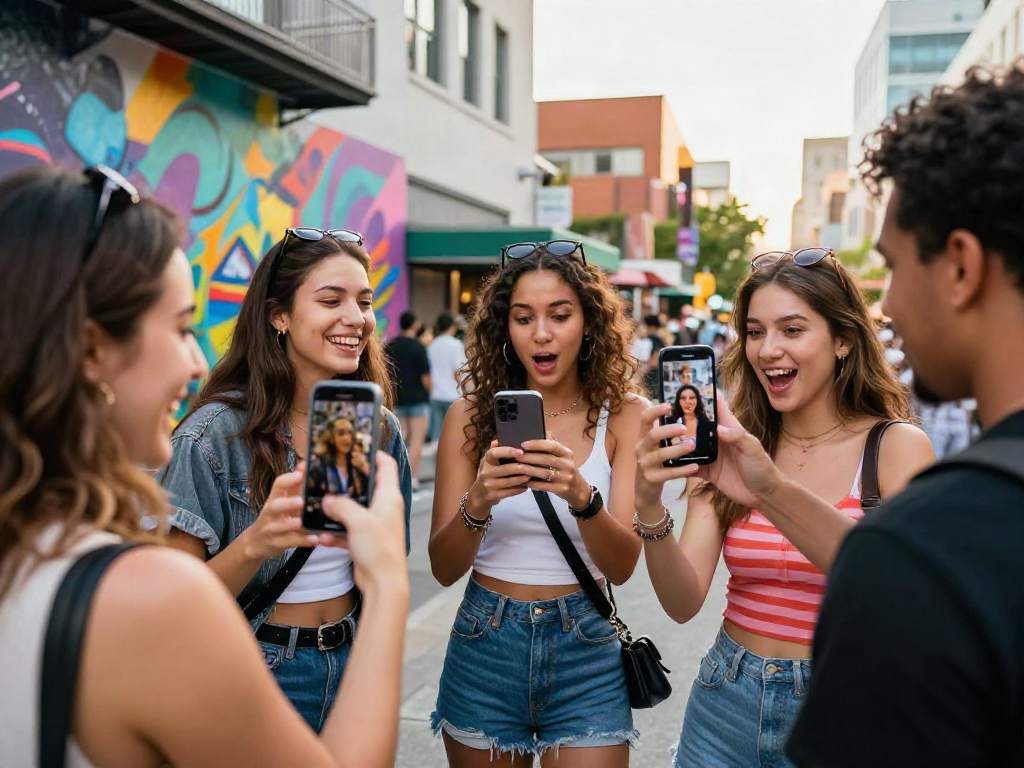
Social media has amplified the reach and popularity of celebrity look-alike content, creating a unique space for individuals to share their likenesses. Platforms like Instagram and TikTok are filled with users proudly displaying their outcomes from look-alike apps, spurring engagement and interest.
Engagement Trends: Sharing Looks Online
The phenomenon of sharing celebrity look-alike results has become a viral trend, with users actively posting their findings. Engaging with these trends fosters a sense of community and connection among participants. The hashtag #CelebrityLookAlike has seen millions of posts, demonstrating the widespread appeal and participation in this cultural movement.
Building Communities Around Celebrity Look-Alikes
Various online communities have emerged, allowing fans to connect over their shared fascination. Reddit threads, Facebook groups, and dedicated Instagram accounts exist, where users can share their comparisons, discuss results, and even debate the merits of different look-alike apps. These communities can provide support and encouragement, merging entertainment with social interaction.
Memes and Viral Content Featuring Look-Alikes
The humor found in celebrity look-alikes often translates into memes and viral content, further enhancing their presence in our digital lives. Memes that juxtapose images of individuals with their celebrity counterparts can spark joy and laughter, making the concept of look-alikes accessible and relatable. This playful approach to celebrity comparisons breaks down barriers and adds a layer of fun to the dialogue.
Challenges and Misconceptions About Celebrity Comparisons
While the allure of celebrity look-alikes is evident, it’s essential to address the challenges and misconceptions that accompany this phenomenon. Understanding these issues helps to navigate the landscape more healthily and positively.
Common Misunderstandings of App Accuracy
A frequent misunderstanding regarding look-alike apps is their perceived accuracy. While many apps boast advanced technology, the results can vary significantly based on the algorithm and photo quality. Users should approach their results with a sense of fun rather than an expectation of exact matches, as the subjective nature of beauty and features can lead to discrepancies.
Dealing with Negative Reactions and Body Image Issues
Engaging with celebrity comparisons can sometimes elicit negative reactions, particularly for individuals struggling with body image. This could lead to emotional distress or anxiety, especially if a person feels they are not being recognized as attractive. It’s crucial for users to cultivate a healthy mindset when participating in these activities and to remember that self-worth is not solely tied to physical appearance.
Addressing Privacy Concerns in Look-Alike Applications
Privacy is a significant concern when using apps that require personal photos. Users must be aware of how their data is being used and stored, as well as the potential risks of sharing images online. It is vital to choose reputable platforms that prioritize user privacy and provide clear policies regarding data usage.
Future Trends in Celebrity Look-Alike Technology
As technology continues to evolve, so too will the methods used to identify and explore look-alikes. Advancements in AI and imaging technology promise exciting developments in this realm.
Advancements in AI and Image Recognition
The future of look-alike technology is rooted in the continual advancement of AI and image recognition systems. These technologies are expected to become more sophisticated, improving the accuracy of results and enhancing user experiences. Future applications may include augmented reality features that allow users to see themselves alongside their celebrity doppelgängers in real-time.
Potential for Virtual Reality Experiences
Virtual reality (VR) technology could revolutionize the celebrity look-alike experience. Imagine stepping into a virtual environment where you can interact with your celebrity look-alike or experience life as a star for a day. This immersive experience could redefine how we engage with the concept of look-alikes and celebrity culture as a whole.
What to Expect in 2026 and Beyond
As we look forward to 2026 and beyond, we anticipate not only improved technology but also a shift in how we view celebrity culture. As societal standards continue to evolve, the way we perceive beauty and similarity will likely undergo significant changes. With ongoing developments in technology, people can expect more personalized and engaging experiences that celebrate individuality while exploring the fun of celebrity resemblances.
What are some popular apps to find out who you look like?
In the ever-expanding realm of celebrity look-alikes, several standout apps make the process straightforward and enjoyable. Notable names include StarbyFace, Media.io, and various apps available on the App Store and Google Play. Each platform offers unique features and methods for analyzing your likeness to celebrities.
Can celebrity look-alike apps be accurate?
While celebrity look-alike apps leverage advanced AI technology, their accuracy can vary. Users should approach results with an open mind and treat them as a fun exploration rather than an exact science. Variations in lighting, angle, and other factors can significantly influence results.
How do look-alike apps use technology?
These applications typically use facial recognition algorithms that analyze facial features, proportions, and structures. By comparing these metrics with a database of celebrity images, the app generates a list of potential matches based on visual similarities.
Are there risks to sharing photos on look-alike platforms?
Yes, there are inherent risks associated with sharing personal photos on any online platform. Privacy concerns and data security are paramount, making it essential for users to verify the credibility of the application before uploading images.
How can social media impact our perception of celebrity look-alikes?
Social media is a double-edged sword. While it can enhance the engagement and fun surrounding celebrity look-alikes, it can also perpetuate unrealistic standards of beauty and lead to unhealthy comparisons. Platforms that celebrate diversity and individuality can help mitigate some negative impacts.