
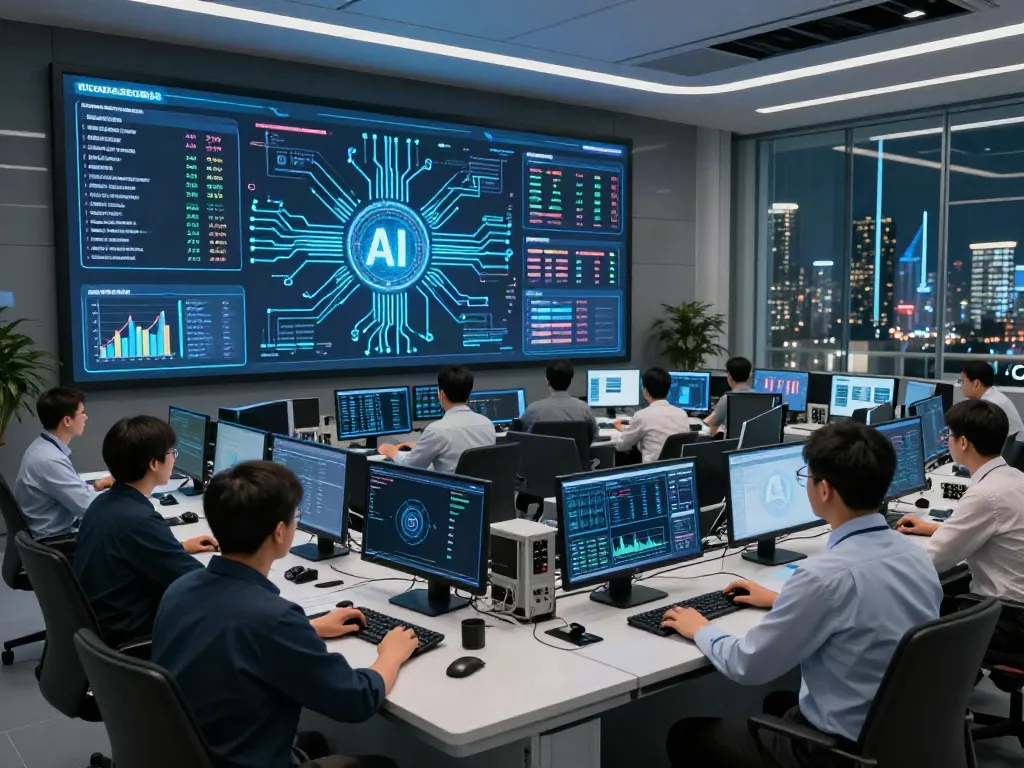
Understanding the AI Token Economy
The AI Token Economy represents a transformative shift in the way artificial intelligence services are utilized and compensated. By leveraging token-based metrics, participants can effectively track their contributions to the AI infrastructure while capitalizing on the economic value generated from AI workloads. This intricate system not only enhances operational efficiency but also democratizes access to AI technologies for a broader audience. When exploring options, AI Token Economy provides comprehensive insights into how individuals and organizations can engage with this burgeoning landscape.
What Is the AI Token Economy?
The AI Token Economy is essentially an ecosystem where tokens serve as units of measurement for AI model usage, akin to how kilowatt-hours measure electricity. In this system, the value of tokens is derived from their utility in various AI applications, such as natural language processing, image recognition, and predictive analytics. As enterprises implement AI technologies, they consume tokens based on their interaction with AI models, creating a dynamic marketplace where supply and demand dictate token value.
The Role of Tokens in AI Operations
Tokens play a crucial role in AI operations by enabling a transparent and efficient billing system. Each interaction with an AI model, whether it involves querying a chatbot or running a complex data analysis, is quantified in terms of input and output tokens. This metering allows organizations to gauge their AI usage, optimize resource allocation, and manage costs effectively. Furthermore, as AI systems evolve, the demand for tokens is expected to rise, leading to potential increases in their value.
Key Benefits of Participating in the AI Token Economy
- Access to State-of-the-Art Technology: Participants can benefit from cutting-edge AI capabilities without the need to invest heavily in infrastructure.
- Transparency in Operations: The token system fosters a clear understanding of usage patterns and associated costs.
- Financial Incentives: By participating, individuals can earn rewards based on their contribution to the AI ecosystem, effectively turning power support into a revenue-generating opportunity.
- Scalability: The token economy allows for scalable participation in AI operations, accommodating diverse needs from large enterprises to individual contributors.
How AI Infrastructure Powers the Economy
The backbone of the AI Token Economy is the robust infrastructure that supports AI operations, which includes high-performance computing resources and reliable power supply. This infrastructure not only enables AI models to function efficiently but also ensures that tokens are processed accurately, facilitating seamless interactions.
The Mechanics Behind AI Power Plans
AI Power Plans are integral to the AI infrastructure, allowing participants to contribute electricity and computing power to AI workloads. Through a structured plan, participants can monitor their usage, track their contributions, and receive rewards based on the electricity they support. The plans are designed to cater to a variety of users ranging from individuals to large enterprises, offering flexibility and scalability.
Connecting Power Resources to AI Operations
Connecting power resources to AI operations involves a comprehensive network that integrates electricity providers, AI infrastructure operators, and end users. This interconnected ecosystem ensures that power is allocated efficiently to meet the demands of AI workloads, thereby optimizing performance and reducing costs. By aligning power support with AI processing needs, 51 AIpower creates a seamless experience that benefits all participants.
Benefits of Scalable Power Infrastructure
A scalable power infrastructure is essential for supporting the growing demands of AI operations. As more organizations implement AI solutions, the need for efficient power management becomes paramount. Scalable infrastructures allow for the adjustment of power supply based on real-time demand, enhancing operational efficiency and minimizing waste.
Contribution Rewards in the AI Token Economy
One of the most appealing aspects of the AI Token Economy is the contribution rewards system. Participants can receive compensation based on their power contributions, which is calculated during designated settlement periods. Understanding how these rewards are calculated helps users maximize their engagement with the platform.
Calculating Your Power Contribution Rewards
Contribution rewards are determined by a straightforward formula that considers the amount of power a participant has supported versus the total power consumed by AI operations during a specific period. This calculation provides a transparent mechanism for participants to assess their contributions and rewards, ensuring that they are fairly compensated for their involvement in the AI Token Economy.
Understanding Token-Metered AI Services
Token-metered AI services are based on the principle that all interactions with AI models are measured in tokens. This metric not only facilitates straightforward billing but also allows participants to track their usage patterns. Understanding this system is vital for optimizing engagement with AI services and maximizing the benefits of participation.
Real-World Examples of Contribution Tracking
Various organizations have successfully implemented contribution tracking systems within the AI Token Economy. For instance, enterprise-level AI applications can leverage token data to fine-tune their operations, identifying areas where efficiency can be improved based on token usage metrics. By analyzing this data, organizations can make informed decisions regarding resource allocation and cost management.
Challenges and Misconceptions Around AI Tokens
Despite the numerous advantages of the AI Token Economy, there are challenges and misconceptions that can hinder participation. Addressing these issues is crucial for fostering a better understanding of the ecosystem.
Common Challenges in the AI Token Economy
Common challenges include fluctuating token prices, unclear metrics for measuring contribution, and a general lack of understanding about how AI tokens function within the economy. These challenges can deter potential participants from fully engaging with the system, emphasizing the need for education and transparent communication.
Addressing Misconceptions About AI Tokens
There are several misconceptions surrounding AI tokens, such as the belief that they function like cryptocurrencies. In reality, AI tokens are more akin to utility units that measure computational workload rather than financial assets. Clarifying these distinctions helps potential participants understand the true value of AI tokens and their role in the token economy.
Best Practices for Token Management
Effective token management involves several best practices, including regularly monitoring token usage, understanding market dynamics, and staying informed about changes in the AI landscape. By adhering to these practices, participants can optimize their contributions and rewards in the AI Token Economy.
Future Trends in the AI Token Economy (2026 and Beyond)
The future of the AI Token Economy is poised for significant advancements as technology and market dynamics evolve. Staying ahead of these trends will be essential for all stakeholders.
Emerging Developments in AI Tokenomics
As AI technologies continue to advance, so too will the tokenomic models that underpin them. Innovations in blockchain technology, enhanced data processing capabilities, and improvements in energy efficiency will play a pivotal role in shaping the future of the AI Token Economy. Participants should remain vigilant to these developments to leverage new opportunities as they arise.
Predictions for Power Resource Management
Power resource management is expected to undergo significant transformations, driven by the need for sustainability and efficiency. As renewable energy sources become more prevalent, the integration of AI in managing these resources will create new opportunities for participants in the AI Token Economy, aligning environmental sustainability with economic incentives.
The Evolution of AI Infrastructure and Tokens
The evolution of AI infrastructure is inextricably linked to the development of tokens. As AI becomes more integrated into various sectors, the infrastructure supporting these capabilities will need to evolve as well. This evolution will result in more sophisticated token models that reflect the complexities of AI operations.
What Is the AI Token Economy's Potential?
The potential of the AI Token Economy is vast, with opportunities for innovation spanning numerous sectors. By fostering collaboration among participants, the economy can unlock new value streams and enhance the impact of AI applications in real-world scenarios.
Are AI Tokens Worth the Investment?
Determining whether AI tokens are worth the investment involves a careful analysis of market dynamics, token usage patterns, and the potential for future growth. As the AI landscape matures, individuals and organizations will need to evaluate their engagement strategies to ensure they are positioned to benefit from the evolving AI Token Economy.
Who Can Participate in the AI Token Economy?
The AI Token Economy is designed to accommodate a wide range of participants, from individual users to large enterprises. This inclusivity promotes a diverse ecosystem where various stakeholders can collaborate and benefit from shared resources.
Understanding AI Tokens' Market Dynamics
AI token market dynamics are influenced by multiple factors, including supply and demand, technological advancements, and regulatory considerations. Understanding these dynamics is essential for participants looking to maximize their engagement in the AI Token Economy.
How Is AI Token Pricing Determined?
AI token pricing is determined by a complex interplay of factors, including market demand, operational costs, and the value provided by AI services. Participants must stay informed about these pricing mechanisms to navigate the marketplace effectively.