Understanding Common Water Heater Issues
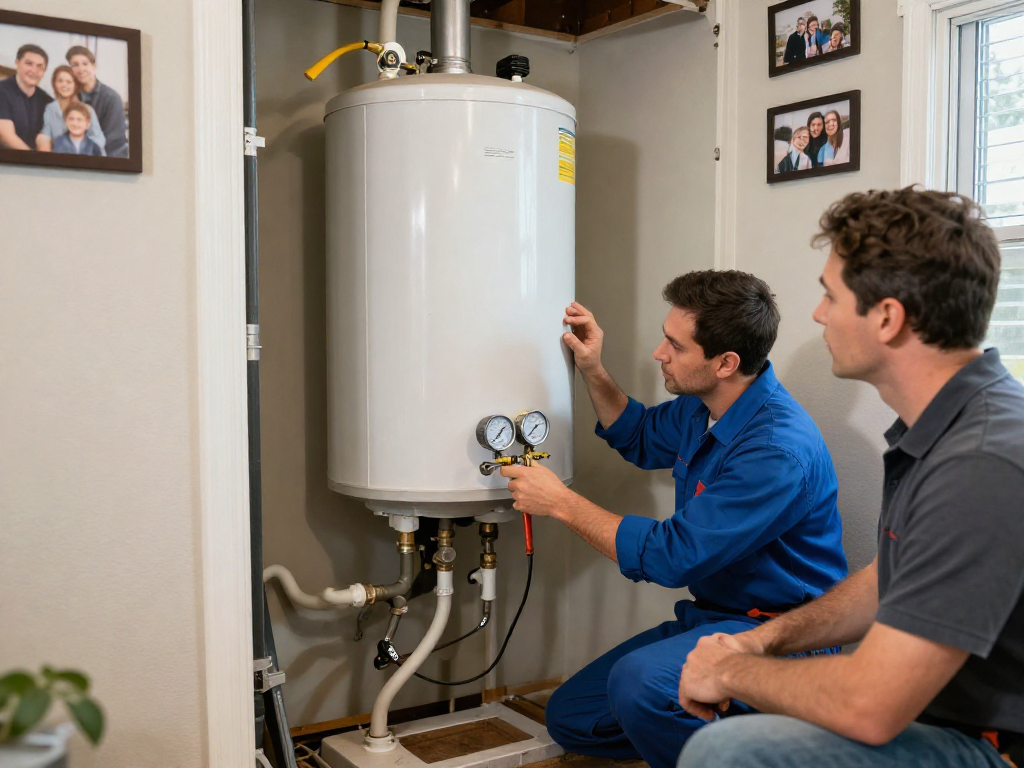
As a homeowner in Fort Worth, understanding the intricacies of your water heater is crucial for maintaining a comfortable living environment. The water heater is often an unsung hero in your home, providing the hot water necessary for daily tasks such as bathing, cooking, and cleaning. Unfortunately, like any household appliance, water heaters can encounter issues that require professional attention. This guide will help you identify common problems, understand their causes, and learn how to maintain your water heater effectively. When exploring options, plumber Fort Worth provides comprehensive insights and solutions for your plumbing needs.
Signs Your Water Heater Needs Service
Recognizing the signs that your water heater needs service can save you from costly repairs and discomfort. Here are some key indicators to watch for:
- Inconsistent Water Temperature: If you experience fluctuations in water temperature, it may indicate a malfunctioning thermostat or heating element.
- Strange Noises: Sounds like popping, rumbling, or hissing can be signs of sediment buildup or impending failure.
- Leaks: Any visible water pooling around the unit is a sign of a leak, which may require immediate attention.
- Discolored Water: Rusty or murky water suggests corrosion in the tank, which could lead to failure.
- Age of the Unit: If your water heater is over a decade old, it may be time to consider a replacement.
Common Causes of Water Heater Problems
Understanding the root causes of water heater issues is essential for effective maintenance. Some common causes include:
- Sediment Buildup: Minerals in water can settle at the bottom of the tank, reducing efficiency and leading to overheating.
- Thermostat Failure: Thermostats control water temperature, and a malfunction can cause inconsistent heating or no hot water.
- Corrosion: Over time, the anode rod designed to prevent rust can wear out, allowing corrosion to set in.
- Faulty Heating Elements: In electric water heaters, heating elements can fail, leading to cold water issues.
Essential Maintenance Tips to Prevent Failures
Regular maintenance can extend the life of your water heater. Here are some essential tips:
- Flush the Tank Annually: This removes sediment buildup, improving efficiency and prolonging the unit's lifespan.
- Inspect the Anode Rod: Check the anode rod every few years and replace it if it’s significantly corroded.
- Test the Pressure Relief Valve: This ensures the valve is functioning correctly to prevent pressure buildup.
- Adjust the Temperature: Setting your water heater to 120°F can help reduce energy costs and prevent scalding.
Identifying Plumbing Emergencies
Understanding what constitutes a plumbing emergency is vital for homeowners. Knowing when to act can prevent extensive damage and costly repairs. Here are crucial elements to consider.
How to Recognize a Major Leak
Major leaks can cause severe damage to your home and increase your water bill significantly. Signs of a major leak include:
- Water Stains: Dark spots or discoloration on walls or ceilings can indicate a leak behind the wall.
- Unexplained Water Bills: A sudden spike in your water bill may point to a hidden leak.
- Mold Growth: Mold may develop in areas with consistent moisture, indicating a potential leak.
Urgent Plumbing Situations and Responses
In urgent plumbing situations, quick action is crucial to mitigate damage. Common urgent situations include:
- Burst Pipes: A burst pipe can cause flooding; shut off the main water supply and contact a professional immediately.
- Clogged Drains: If multiple drains are clogged, it may indicate a sewer line issue requiring immediate attention.
- Overflowing Toilets: This can lead to unsanitary conditions and requires prompt intervention to prevent flooding.
Disaster Prevention for Fort Worth Homes
Preventing plumbing disasters is possible with some proactive measures:
- Regular Inspections: Schedule periodic inspections with a qualified plumber to identify and mitigate potential issues.
- Install Water Leak Detectors: These devices alert homeowners to leaks before they become major problems.
- Know Your Shutoff Valves: Familiarize yourself with your home’s water shutoff valves to quickly address emergencies.
Choosing the Right Water Heater for Your Home
When it’s time to replace your water heater, understanding your options is crucial for making an informed decision. Here’s what to consider.
Tank vs. Tankless: What’s Best for You?
Choosing between a traditional tank water heater and a tankless option comes down to your water usage and efficiency needs:
- Tank Water Heaters: These conventional systems store hot water, making them suitable for homes with high hot water demand.
- Tankless Water Heaters: These heaters provide hot water on demand, offering energy savings and space efficiency, ideal for smaller homes.
Factors to Consider When Replacing Your Water Heater
When replacing your water heater, consider the following:
- Size: Ensure the new unit meets your household's hot water needs without unnecessary energy consumption.
- Fuel Source: Choose between electric, gas, or solar water heaters based on availability and cost-effectiveness.
- Energy Efficiency: Look for models with high energy efficiency ratings to save money in the long run.
Professional Installation Benefits
Opting for professional installation has numerous benefits:
- Safety: Professionals ensure the unit is installed safely and complies with local codes.
- Efficiency: A qualified installer will ensure optimal setup for efficiency and longevity.
- Warranty Validity: Professional installation often helps retain the warranty on your new unit.
Scheduling Fast Plumbing Services
When you encounter plumbing issues, knowing how to schedule services can make all the difference. Here’s how to get assistance quickly.
How to Quickly Schedule a Plumber in Fort Worth
Quickly scheduling a plumber requires knowing the right steps:
- Prepare Information: Know the details of your plumbing issue to communicate effectively with the service provider.
- Use Local Resources: Utilize local directories or search engines to find reputable plumbers in Fort Worth.
- Ask for Availability: Inquire about the plumber's availability to ensure prompt service.
Tips for Effective Communication with Your Technician
Effective communication with your technician can enhance service efficiency:
- Be Descriptive: Clearly describe the problem and any previous repairs.
- Ask Questions: Don’t hesitate to ask how the repair process will work and the estimated timeline.
- Request a Written Estimate: This ensures transparency regarding costs before work begins.
What to Expect During a Service Call
Understanding what happens during a service call can alleviate concerns:
- Diagnosis: The technician will assess the problem, often providing a diagnosis and repair options.
- Repair Options: You’ll be informed of the necessary repairs and associated costs before proceeding.
- Post-Service Care: Technicians may offer maintenance tips and answer any lingering questions.
Long-Term Solutions for Plumbing Issues
Long-term solutions can preserve your plumbing system's health and functionality. Here’s how to ensure longevity.
Advanced Techniques for Plumbing System Maintenance
Adopting advanced plumbing maintenance techniques can prevent future issues:
- Regular Inspections: Schedule professional inspections annually to catch potential problems early.
- Invest in Quality Fixtures: Upgrading to durable fixtures may reduce the frequency of repairs.
- Consider Water Softeners: These can minimize mineral buildup in plumbing systems and appliances.
Real-World Case Studies: Successful Plumbing Fixes
Learning from real-world cases can provide valuable insights:
- Case Study 1: A Fort Worth homeowner faced recurring drain issues. After a professional assessment, tree roots were identified as a cause, leading to targeted repairs and prevention recommendations.
- Case Study 2: A family experienced inconsistent hot water. The technician discovered a failing thermostat and replaced it, resulting in a reliable hot water supply.
Trends in Plumbing Technologies for Homes in 2026
Staying informed about the latest plumbing technologies can help homeowners make better choices:
- Smart Plumbing Systems: Innovative technologies enable remote monitoring and control of plumbing systems.
- High-Efficiency Appliances: New appliances are designed to use less water without sacrificing performance.
- Eco-Friendly Solutions: Sustainable plumbing solutions focus on reducing water waste and energy consumption.
What Should You Do in a Plumbing Emergency?
Knowing how to respond during a plumbing emergency is crucial:
- Shut Off Water Immediately: This will prevent further damage and flooding.
- Contact a Professional: Reach out to a reputable plumber for assistance.
- Assess the Situation: Document the issue for the plumber to ensure a swift resolution.
How to Maintain Your Water Heater for Longevity?
Proper maintenance can significantly extend your water heater's lifespan:
- Perform Regular Flushing: This prevents sediment buildup.
- Check Temperature Settings: Keeping the temperature in check can prevent overheating.
- Inspect for Leaks: Regularly check for signs of leaks and address them immediately.