
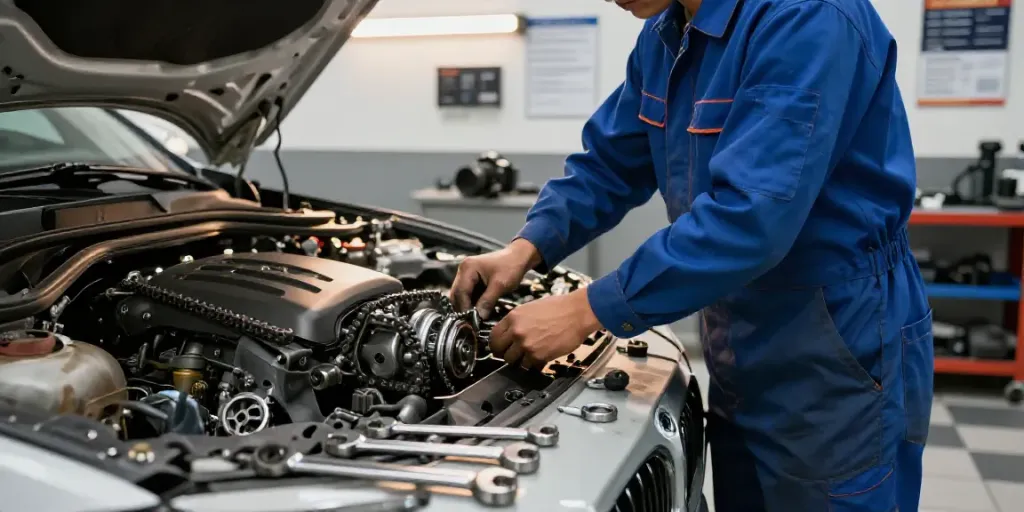
The Importance of Regular BMW Timing Chain Maintenance
The timing chain in your BMW plays a critical role in ensuring your engine runs smoothly and efficiently. As a crucial component that synchronizes the movement of the crankshaft and camshaft, neglecting its maintenance can lead to severe engine problems. The longevity and performance of your BMW depend significantly on the proper upkeep of its timing chain. When exploring options, bmw steuerkette wechseln provides comprehensive insights into maintaining this essential part of your vehicle.
What is a Timing Chain?
A timing chain is a metal chain that connects the crankshaft and camshaft in an engine. This connection is vital for ensuring that the engine's valves open and close in sync with the movement of the pistons. Unlike timing belts that are made of rubber and require periodic replacement, timing chains are generally more durable and can last for a long time; however, they still require attention and eventual replacement.
Common Issues Caused by Neglect
Neglecting the maintenance of your BMW’s timing chain can lead to several issues, including:
- Engine Misalignment: A worn-out timing chain can cause the engine components to fall out of sync, leading to performance issues.
- Increased Engine Noise: A loose or worn chain may create rattling noises, indicating that the chain is not functioning correctly.
- Engine Damage: In the worst-case scenario, a broken timing chain can result in catastrophic engine failure, damaging valves and pistons.
Benefits of Timely Replacement
Replacing your timing chain at the recommended intervals can offer several advantages, including:
- Improved Engine Performance: A new timing chain ensures that your engine runs smoothly.
- Increased Longevity: Regular maintenance can significantly extend the life of your engine.
- Cost Savings: Preventative maintenance helps you avoid expensive repairs that can result from a neglected timing chain.
Signs Your BMW Needs a Timing Chain Replacement
Identifying the need for a timing chain replacement early can prevent severe engine damage and extensive repair costs. Here are some signs that your BMW might need this crucial component changed:
Unusual Engine Noises
One of the most common indicators of a failing timing chain is a rattling noise coming from the engine, especially during acceleration or when idling. These noises can indicate that the chain is loose or worn, and it’s essential to address this issue promptly.
Engine Performance Issues
If you notice a decrease in engine performance, such as reduced acceleration or misfiring, it could be a sign that the timing chain is not operating correctly. When the timing is off, the engine may run inefficiently, affecting your driving experience.
Visual Inspections and Symptoms
In addition to sounds and performance cues, you can perform visual inspections. Look for oil leaks at the front of the engine or any debris around the timing chain cover, which can indicate that the chain is failing.
Cost Analysis of BMW Timing Chain Replacement
Understanding the cost associated with replacing your BMW's timing chain is essential for effective budget planning. The price can vary significantly based on several factors.
Average Costs in 2026
As of 2026, the average cost for a BMW timing chain replacement ranges from €1,100 to €2,200, depending on the model and labor costs in your area. It's essential to get quotes from various mechanics to ensure you receive a competitive price.
Factors Affecting Prices
Several factors can influence the cost of a timing chain replacement, including:
- BMW Model: Different models have varying complexities, which can affect labor costs.
- Location: Prices may vary based on geographical location and local labor rates.
- Parts Quality: Using OEM (Original Equipment Manufacturer) parts can be more costly than aftermarket options but may provide better longevity.
Potential Savings from Preventative Maintenance
Investing in regular maintenance might seem costly upfront, but it can save you money in the long run. Replacing a timing chain proactively can prevent more severe damage to the engine, which can result in repairs costing thousands of euros.
Step-by-Step Guide to Replacing a BMW Timing Chain
Replacing a timing chain can be a complex process, often requiring specific tools and experience. Here’s a step-by-step guide on how to approach this task.
Tools and Equipment Needed
- Socket set
- Torque wrench
- Timing chain kit
- Engine oil
- Gaskets and seals
Preparation and Initial Steps
Before starting, ensure your vehicle is on a flat surface and securely lifted. Drain the engine oil and remove any obstructive components, such as the engine cover and pulleys, to access the timing chain.
Final Assembly and Testing
Once the new timing chain is in place, reassemble the engine components carefully, ensuring everything is torqued to manufacturer specifications. After reassembly, run the engine and listen for any unusual sounds, as well as check for leaks.
Future Trends in BMW Timing Chain Technology
With advancements in automotive technology, the future of timing chains is evolving. Understanding these trends can help you make better decisions for your vehicle.
Innovations in Automotive Engineering
Newer models may feature improved timing chains made from advanced materials that offer higher durability and less weight. These innovations can enhance engine performance while reducing emissions.
Predicting Common Problems for New Models
As BMW continues to innovate, being aware of potential issues with new models is essential. It's advisable to keep an eye on any recalls or common problems reported by other owners.
Expert Insights and Recommendations
Regular consultations with a certified BMW mechanic can provide insights tailored to your vehicle. They can recommend the best maintenance schedule and any necessary preventive measures.
What does it cost to replace a BMW timing chain?
Expect to pay between €1,100 and €2,200 on average, depending on the model and labor.
When should you replace your BMW timing chain?
Most manufacturers recommend checking the timing chain every 100,000 to 150,000 kilometers.
Which BMW models are susceptible to timing chain issues?
Models like the BMW N47 engine have been known to experience timing chain problems, so it’s essential to stay informed about specific vulnerabilities.
How can you tell if the timing chain needs replacing?
Look for symptoms like unusual noises, performance issues, and oil leaks.
Where can I find a reliable mechanic for BMW timing chain replacement?
Seek a certified BMW mechanic or service center to ensure quality service and parts are used during replacement.