Understanding the Importance of Early Childhood Education
The significance of early childhood education cannot be overstated. Research shows that the formative years are crucial for a child's cognitive, social, and emotional development. Investing in quality education during this vital period lays the groundwork for lifelong learning and success. At institutions like Pegasus International Preschool in Singapore, a holistic approach is employed to enrich children’s early learning experiences. When exploring options, Kindergarten Singapore offers comprehensive insights into the best practices that support a child's development.
Why Kindergarten Matters for Lifelong Learning
Kindergarten plays an essential role in shaping children's cognitive abilities and emotional intelligence. It is during this stage that children begin to learn through play, developing skills such as problem-solving, teamwork, and communication. These foundational skills are essential as they transition into higher levels of education. A well-structured kindergarten curriculum that promotes creativity and inquiry enables children to cultivate a love for learning that persists throughout their lives.
Current Trends in Early Childhood Development
Several trends are emerging in early childhood education that reflect a shift towards more progressive methods of teaching. Inquiry-based learning has gained prominence, allowing children to explore topics of interest actively. Additionally, integrating technology in the classroom is becoming common, enhancing interactive learning. Furthermore, educators increasingly recognize the importance of emotional and social skills, incorporating activities that foster empathy and collaboration.
Benefits of Holistic Learning Approaches
A holistic approach to learning in kindergarten recognizes that children develop in multiple dimensions—socially, emotionally, physically, and cognitively. Such an approach nurtures well-rounded individuals. Programs that combine academic instruction with artistic expression, physical activity, and social engagement tend to produce more adaptable and creative thinkers. Evidence suggests that children who experience holistic education exhibit greater confidence, resilience, and an eagerness to learn.
Inquiry-Based Learning: A Progressive Approach
Inquiry-based learning represents a significant shift from traditional rote memorization techniques. This educational philosophy encourages children to ask questions, investigate, and explore their surroundings. By fostering curiosity, we prepare children to engage with the world actively and critically.
Defining Inquiry-Based Learning in Kindergartens
At its core, inquiry-based learning emphasizes the child’s role in the learning process. Rather than passively receiving information, children actively investigate and construct their understanding. This methodology is not only engaging but also empowers children to become lifelong learners who are confident in their ability to think critically and find answers independently.
Benefits of Hands-On Activities for Young Learners
Hands-on activities are an integral part of inquiry-based learning, providing children with opportunities to experiment and experience concepts in real-world contexts. These activities promote engagement and retention, as children learn by doing. Whether through science experiments or creative arts, hands-on learning fosters a deeper understanding of subjects and encourages innovation and creativity.
Integrating Curiosity into Daily Learning
Curiosity is a child's natural inclination, and educators must harness this drive to enhance learning experiences. By integrating inquiry-based methods across various subjects, teachers can create a dynamic learning environment where children feel safe to express their curiosities. This not only enriches their educational journey but also builds essential skills such as critical thinking and problem-solving.
Creating a Nurturing Environment for Children
A child's learning environment strongly influences their development and engagement. Classrooms designed for exploration can stimulate imagination and foster a love for learning. Creating safe, responsive, and interactive spaces is vital for children to flourish.
Designing Classrooms for Engagement and Exploration
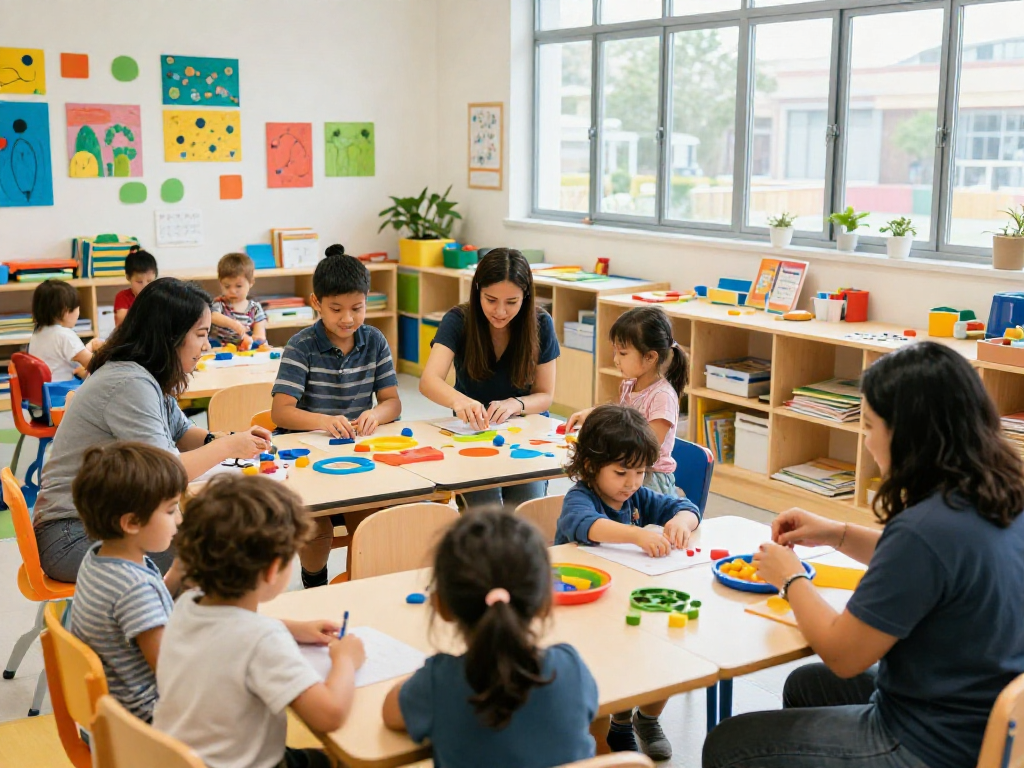
Modern classroom designs prioritize flexibility and accessibility, allowing children to move freely and engage with their surroundings. Learning spaces should be rich in resources and materials that encourage exploration, creativity, and collaboration. By fostering an environment where children can take ownership of their learning, educators set the stage for meaningful educational experiences.
The Role of Outdoor Play in Kindergarten
Outdoor play is an essential component of kindergarten education. It allows children to engage with nature, develop gross motor skills, and learn through exploration. Research indicates that outdoor activities enhance cognitive development and social skills. A balanced preschool curriculum should therefore incorporate ample outdoor time, allowing children to connect with their environment and gain firsthand experiences.
Building Emotional and Social Skills Through Group Activities
Group activities in kindergarten promote emotional and social development by teaching children how to interact with peers, share, and collaborate. These activities foster essential life skills, such as empathy, communication, and teamwork. Children learn how to navigate social situations, resolve conflicts, and build friendships, which are crucial for their overall development.
Parental Involvement in Kindergarten Education
Parental involvement is critical in a child's education, especially during the formative years. Strong home-school connections can significantly enhance a child’s learning experience, ensuring that skills developed in school are reinforced at home.
Strategies for Encouraging Parent Participation
Schools can encourage parental involvement through various strategies, such as organizing workshops, family events, and volunteer opportunities. Communication is key; schools should keep parents informed about their children's progress and ways they can contribute to their education. By fostering an inclusive environment, schools can strengthen the partnership between home and school.
The Impact of Home-School Connections on Learning
Research shows that children whose parents are actively involved in their education perform better academically and socially. Home-school connections create a support system that encourages children to excel. When parents are engaged, they not only provide reinforcement of academic concepts but also model positive attitudes towards learning.
How to Foster a Supportive Community
Creating a supportive community within the school can significantly benefit children’s learning experiences. Schools can establish parent-teacher organizations and community events that promote collaboration. This sense of community creates solidarity among families and strengthens the support network for children.
Preparing for the Future of Kindergarten Education
As we look toward the future, kindergarten education must evolve to meet the changing needs of society. Embracing innovative teaching methods and addressing the demands of the future workforce are crucial for preparing children for their lifelong journey.
Emerging Technologies in Early Education
Technology is becoming increasingly integrated into kindergarten education. Tools such as tablets and educational software can enhance learning and make it more interactive. However, educators must ensure that technology is used effectively to complement traditional learning methods rather than replace them. By blending technology with inquiry-based learning, teachers can prepare children for a digital future.
Future Skills Children Need for Success
The workforce of the future will prioritize skills such as creativity, critical thinking, and adaptability. Early education must therefore focus on developing these skills through experiential learning and collaborative projects. By nurturing a growth mindset, children will be better equipped to tackle the challenges of tomorrow.
Predictions for Kindergarten Practices in 2026
Looking ahead, we can anticipate that kindergarten education will continue to incorporate innovative learning methodologies focused on the child's interests. Inquiry-based approaches will likely dominate, emphasizing hands-on, experiential learning as foundational elements of the curriculum. Additionally, we may see an increased emphasis on emotional intelligence and social skills, reflecting the changing demands of society.
What is the role of technology in Kindergarten?
Technology will play a pivotal role in future kindergarten education. It not only aids in lesson delivery but can also provide personalized learning experiences tailored to each child's pace. Educators will be tasked with finding a balance between utilizing technology and fostering face-to-face interactions among children.
How can parents support their child’s learning journey?
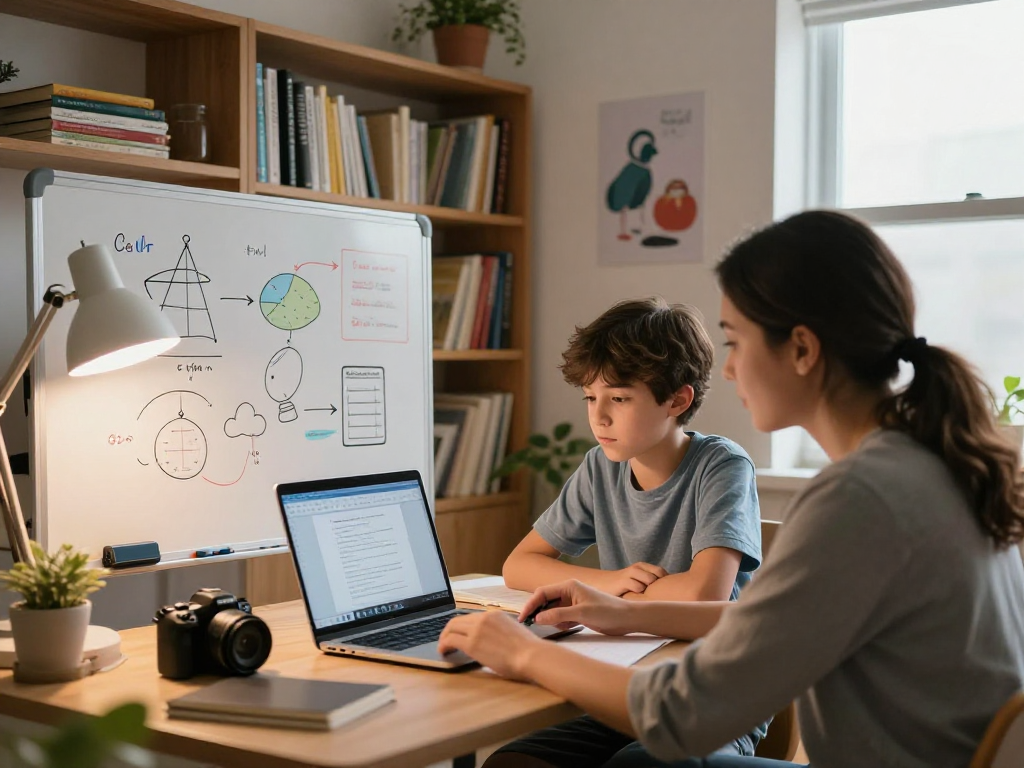
Parents can support their child's learning journey by being actively involved in their education. This includes discussing what they learned at school, engaging in educational activities at home, and encouraging curiosity and exploration. Establishing consistent communication with teachers can help parents stay informed and engaged.
What are the benefits of an inquiry-based curriculum?
An inquiry-based curriculum fosters curiosity and encourages children to explore their interests. It promotes active participation in learning, enhances critical thinking skills, and allows for personalized learning experiences. Children become more engaged and motivated, leading to deeper understanding and retention of knowledge.
How does a nurturing environment impact child development?
A nurturing environment plays a crucial role in child development. It provides the emotional support necessary for children to feel safe and valued, which enhances their willingness to engage in learning. Environments that promote exploration, creativity, and positive relationships among peers contribute to holistic development.